

Colorectal Cancer: Why Screening After 45 Could Save Your Life
July 23, 2026
Sinus Infections Vs. Common Cold: How To Tell The Difference
August 24, 2026Cancer Treatment in Bahrain: Understanding Surgery, Chemotherapy, and Beyond
Key Highlights
- Cancer treatment is personalized based on the type, stage, and spread of cancer.
- Early diagnosis and advanced therapies have improved cancer treatment outcomes.
- Chemotherapy helps destroy cancer cells and may be combined with other treatments.
- Surgery is often recommended to remove localized tumors and affected tissue.
- Immunotherapy strengthens the body’s immune system to fight cancer.
- Radiation therapy uses high energy beams to target and destroy cancer cells.
- Targeted therapy attacks specific cancer cells while minimizing damage to healthy tissue.
- Treatment plans are tailored according to each patient’s overall health and treatment goals.
- A multidisciplinary team approach ensures comprehensive cancer care.
- Al Salam Specialist Hospital offers advanced cancer treatment, including chemotherapy in Bahrain, with experienced oncologists and personalized care.
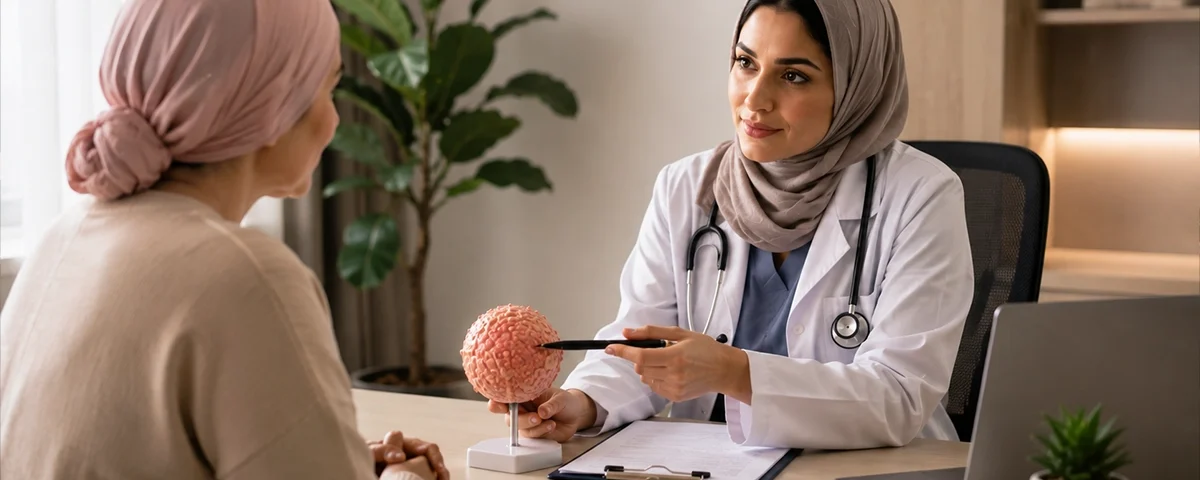
A cancer diagnosis can be overwhelming, affecting not only the patient but also their loved ones. Fortunately, advances in medical science and technology have transformed cancer care, making treatments, including chemotherapy in Bahrain, more effective than ever. Understanding the available cancer treatment options and how they work can help you feel more informed about what to expect throughout your treatment journey.
What is Cancer Treatment ?
The ideal goal of any treatment for an ailment is to cure the illness. However, in cancer, the several types of cancers make it difficult to follow a single line of treatment. Cancer treatment includes a unique approach to slow or stop the progression of the cancer and, in an ideal situation, to eliminate the cancer wholly.
Treatment Options At The Best Cancer Hospital in Manama
Advancements in science and technology have significantly lowered the global fatality rate of patients diagnosed with cancer. Today, early detection, innovative therapies, and personalized treatment approaches are helping more people recover, improve their quality of life, and achieve better long-term outcomes. However, the type of treatment option depends on several factors, including:
- Type of cancer
- Extent of spread of the disease
- Pace of the growing cancer
- Underlying health of the patient
- Goal of the treatment
Based on the above criteria, your cancer specialist will advise on the best cancer treatment option for your condition.
Chemotherapy in Bahrain
This treatment option introduces chemotherapy drugs into your bloodstream to kill or destroy the cancer cells. Doctors may administer chemotherapy drugs directly into the cancer-affected area in the body. Your doctor may also advise chemotherapy in Bahrain in combination with other treatment options like surgery for more effective results.
Surgery for Cancer Care in Bahrain
Another cancer treatment option is surgery, or the surgical removal of cancer cells or tumors and a portion of the surrounding healthy tissue to remove any trace of the malignant cells.
Generally, doctors suggest surgery for cancers that have not spread. However, surgery may not be possible when the tumor is located in a vital organ.
Immunotherapy
Typically, cancer cells thrive because they can escape detection from the body’s immune system. Immunotherapy is a medical treatment option that helps your immune system identify cancer cells and destroy them. There are different types of immunotherapy depending on the approach. For example, introducing lab-made proteins into the body that attach to cancer cells, thereby helping the immune system identify and destroy them.
Radiation for Cancer Treatment in Bahrain
In radiation therapy, cancer is treated through powerful radiation or energy beams. It may be introduced through an external machine or placed inside the body to treat the cancer.
Targeted Therapy
Another type of treatment option offered at cancer hospitals in Bahrain is targeted therapy, where doctors introduce medicines that attack certain chemicals in the cancer cells, causing the cancer cells to die.
Cancer Treatment at Al Salam Specialist Hospital in Bahrain
At Al Salam Specialist Hospital, a leading cancer hospital in Bahrain, we offer precise treatment options for cancer patients. Our specially trained and highly qualified oncologists ensure accurate diagnosis and also personalized treatment plans tailored to each patient’s condition. We are committed to delivering comprehensive cancer care while supporting patients and their families at every stage of the treatment journey. Book a consultation at Al Salam Specialist Hospital for cancer treatment, including chemotherapy in Bahrain.
Frequently Asked Questions
How do doctors decide which cancer treatment is best suited for your condition?
Oncologists or cancer specialists evaluate the type of cancer, its stage, the patient’s overall health, and other medical factors before recommending the most suitable treatment plan.
Can you use more than one cancer treatment together?
Yes. Many patients receive a combination of treatments, such as surgery followed by chemotherapy or radiation therapy, to achieve the best possible outcomes.
Is cancer treatment painful?
Treatment experiences vary. While some therapies may cause side effects, healthcare teams provide medications and supportive care to help manage discomfort during the treatment and after.